Choosing a Fredericksburg Irrigation Contractor
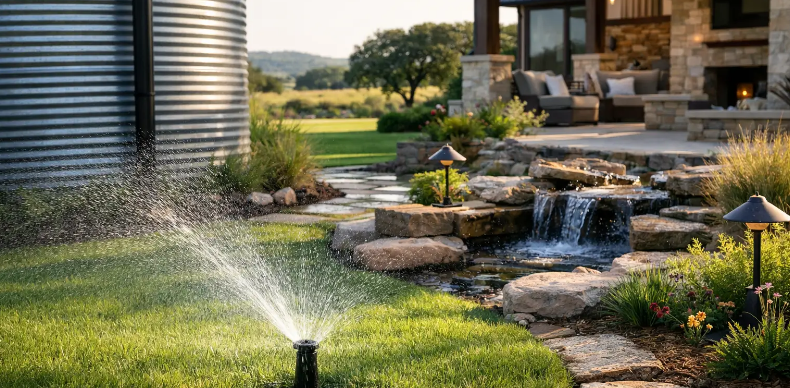
A lawn can look fine in the morning and stressed by late afternoon when Texas heat settles in. In the Hill Country, irrigation is not simply about putting water on the ground. It is about applying the right amount, in the right place, at the right time. A dependable Fredericksburg irrigation contractor helps protect your landscape, avoid costly water waste, and build a system that fits the way your property is actually used.
Whether you own a home in town, manage a commercial property, or care for a ranch or estate, the contractor you choose affects more than your monthly water bill. Good planning can help trees, turf, beds, and foundation plantings hold up through dry weather. Poor design can leave dry zones, oversaturated areas, leaking components, and a landscape that never quite looks its best.
What a Good Irrigation System Should Do
An irrigation system should do more than turn on automatically. It should account for sun exposure, slopes, soil conditions, plant material, water pressure, and the changing needs of each area of the property. A shaded bed with established native plants does not need the same schedule or equipment as a full-sun lawn near a driveway.
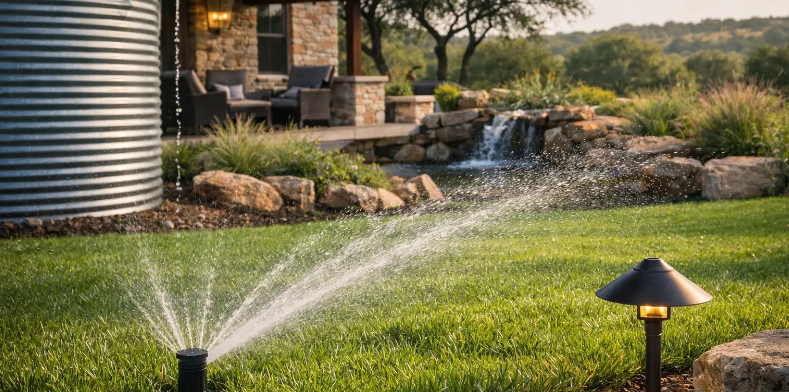
The goal is controlled coverage. Water should reach roots without constantly spraying sidewalks, fences, structures, or bare ground. Proper zoning allows different sections of the landscape to receive different run times and watering methods. This matters in Fredericksburg, where rocky soil, summer heat, and uneven terrain can make one-size-fits-all systems inefficient.
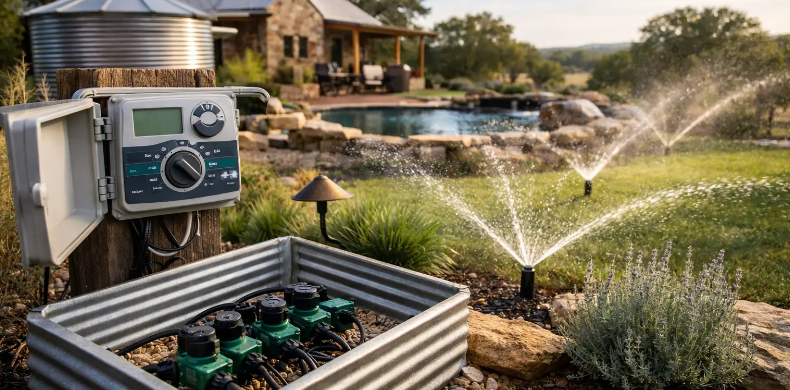
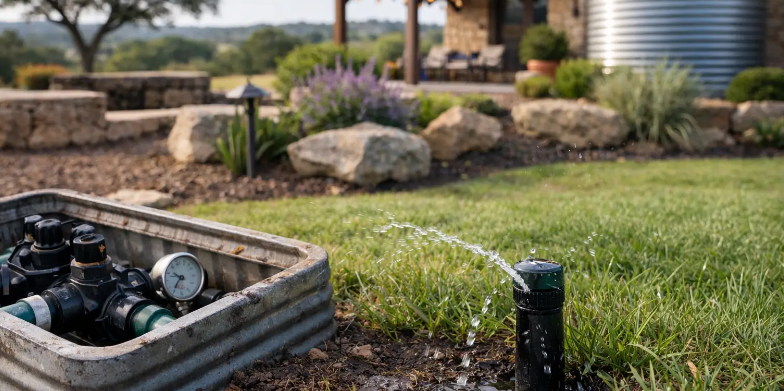
A well-built system also needs to be serviceable. Valves, controllers, filters, and backflow components should be installed where they can be accessed and maintained. An installation may look clean on day one, but the real test is whether it continues to operate reliably years later.
Signs You Need a Fredericksburg Irrigation Contractor
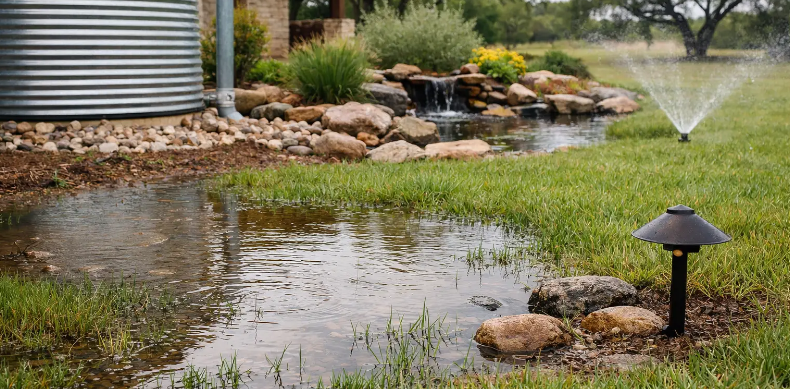
Some irrigation problems are obvious, such as a broken sprinkler head spraying a stream into the street. Others are quieter and can run for weeks before anyone notices. If parts of your lawn stay brown while other sections are soggy, your coverage or zone design may need attention. Water pooling around heads, unusually high water bills, weak spray patterns, and controller schedules that no longer match the season are also reasons to have the system evaluated.
Older systems often deserve a closer look even when they still run. Controllers may lack the programming flexibility needed to adapt to weather and plant needs. Heads can become mismatched after years of repairs. Roots, settling soil, vehicle traffic, and normal wear can damage underground lines or shift equipment out of alignment.
A professional inspection can determine whether a repair is enough or whether certain areas need to be redesigned. That distinction matters. Replacing one failed valve is different from repeatedly repairing a system with poor pressure, inadequate zones, or equipment that was never suited to the property.
Start With the Property, Not the Equipment
The best contractors do not begin by recommending a standard package. They begin by learning how the property drains, where the sun hits hardest, what is planted, and what the owner expects from the space. A front entry landscape may need dependable coverage to protect curb appeal. A large estate may need practical zones that make ongoing maintenance manageable. A commercial site may need irrigation designed around access, visibility, and consistent presentation.
During a consultation, expect questions about your water source, existing system, plans for landscaping, and trouble spots. Be clear about your priorities. Some owners want to preserve a lawn through the hottest months. Others are shifting toward low-water plantings and want irrigation that supports that change without overwatering. Both approaches can make sense, but they call for different design choices.
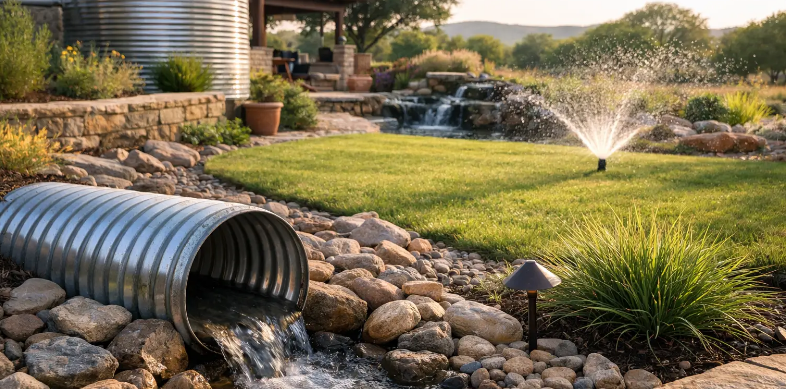
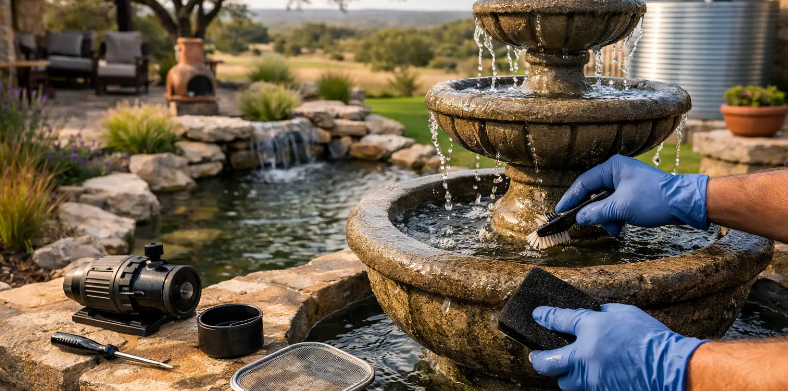
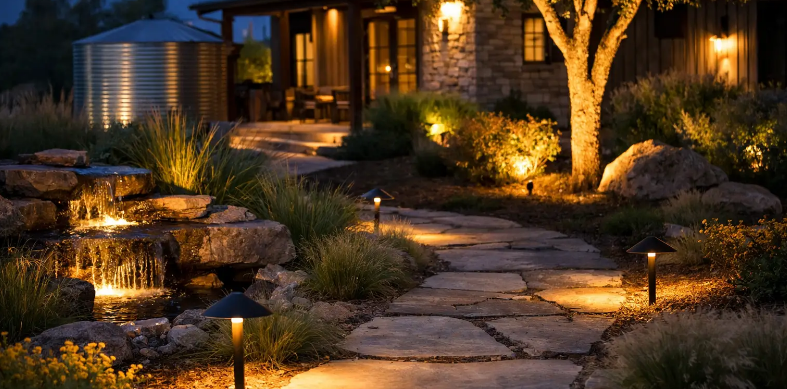
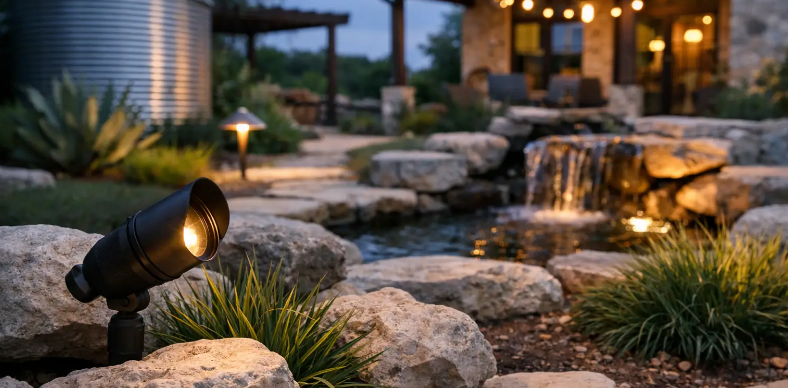
It is also smart to discuss future improvements. If you expect to add planting beds, a patio, outdoor lighting, rainwater collection, or a water feature later, planning for those features now can prevent unnecessary digging and rework down the road.
Ask About Design, Water Management, and Workmanship
Price matters, but it should not be the only basis for hiring an irrigation contractor. A lower bid can become expensive if it leaves you with poorly placed heads, weak coverage, undersized piping, or repairs that begin shortly after installation. Ask what the contractor sees as the main challenges on your property and how the proposed system addresses them.
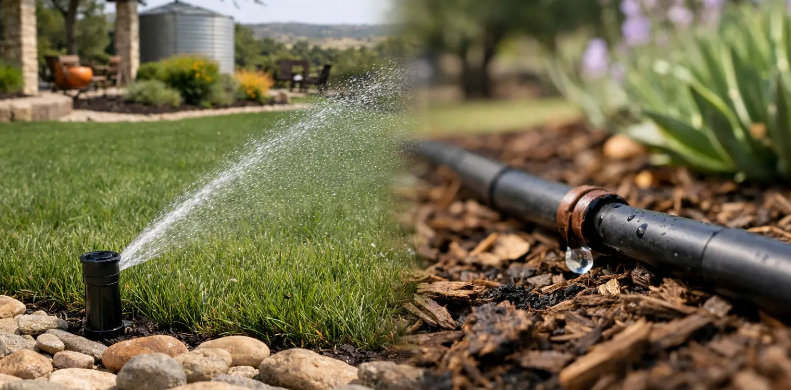
You should also understand how zones will be organized. Turf, shrubs, trees, and garden beds often need different amounts of water. Spray heads may be appropriate for one area, while drip irrigation can be a better choice for another. Drip irrigation can deliver water near plant roots and reduce runoff, but it needs proper filtration, layout, and regular checks. It is not automatically the right answer for every landscape.
Ask how the system will be adjusted after installation. Seasonal changes are normal in the Texas Hill Country. A schedule that works during a hot, dry stretch may be excessive after meaningful rainfall or during cooler weather. An experienced contractor can help set practical schedules and explain how to make adjustments without guessing.
Rainwater Can Be Part of the Plan
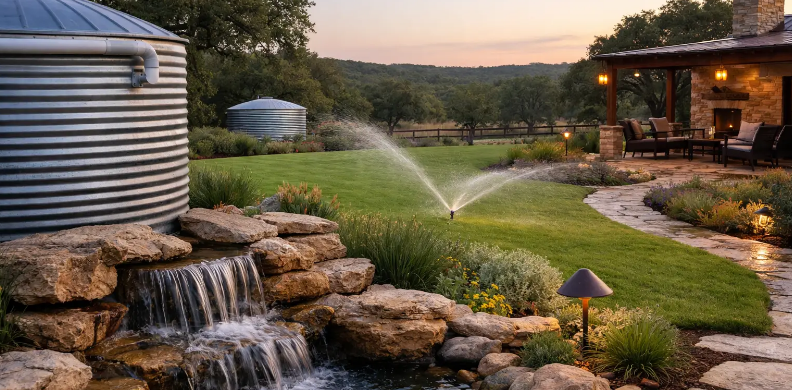
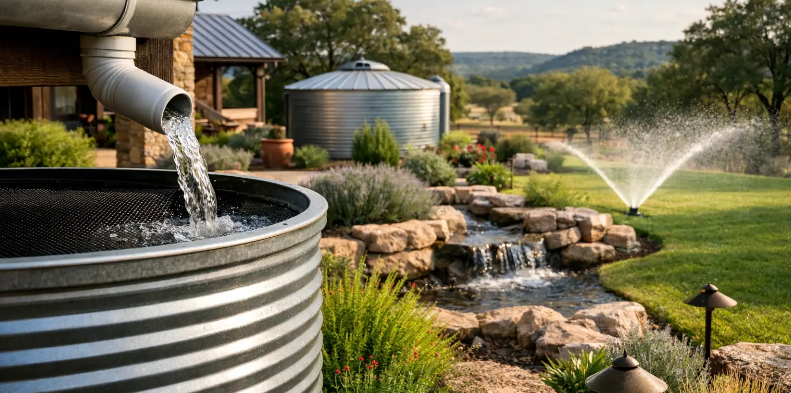
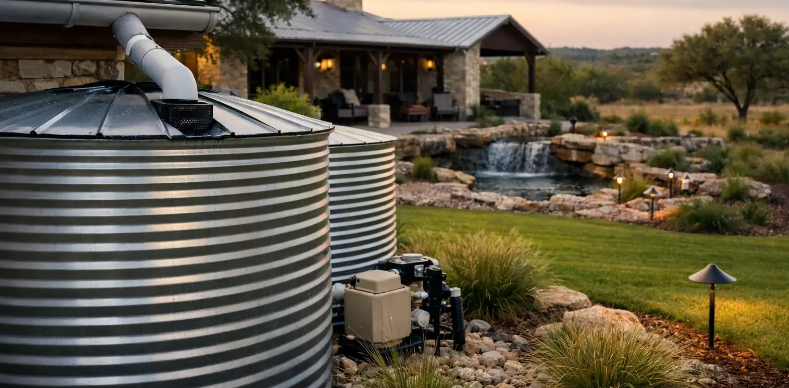
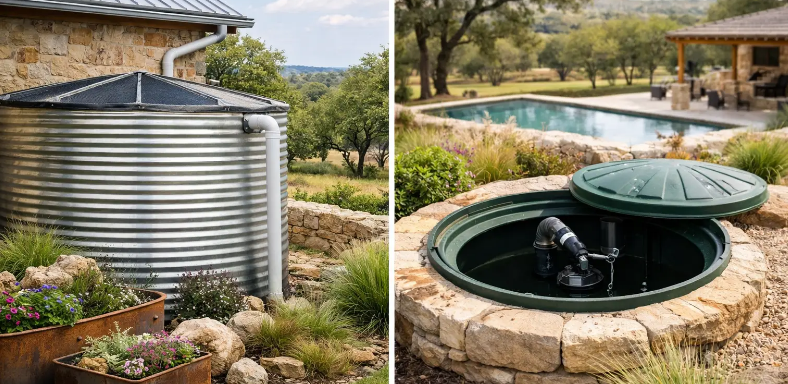
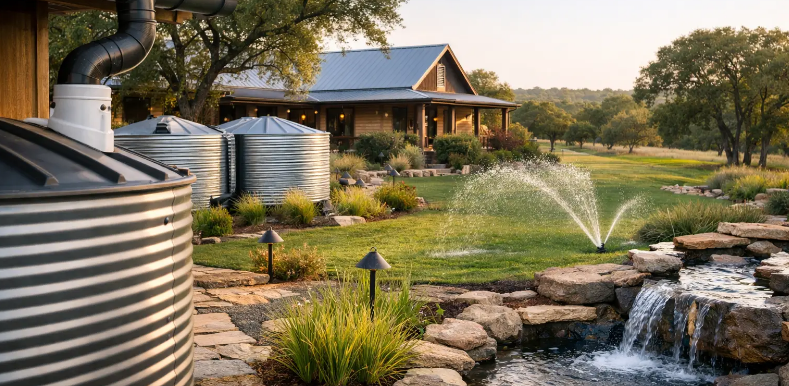
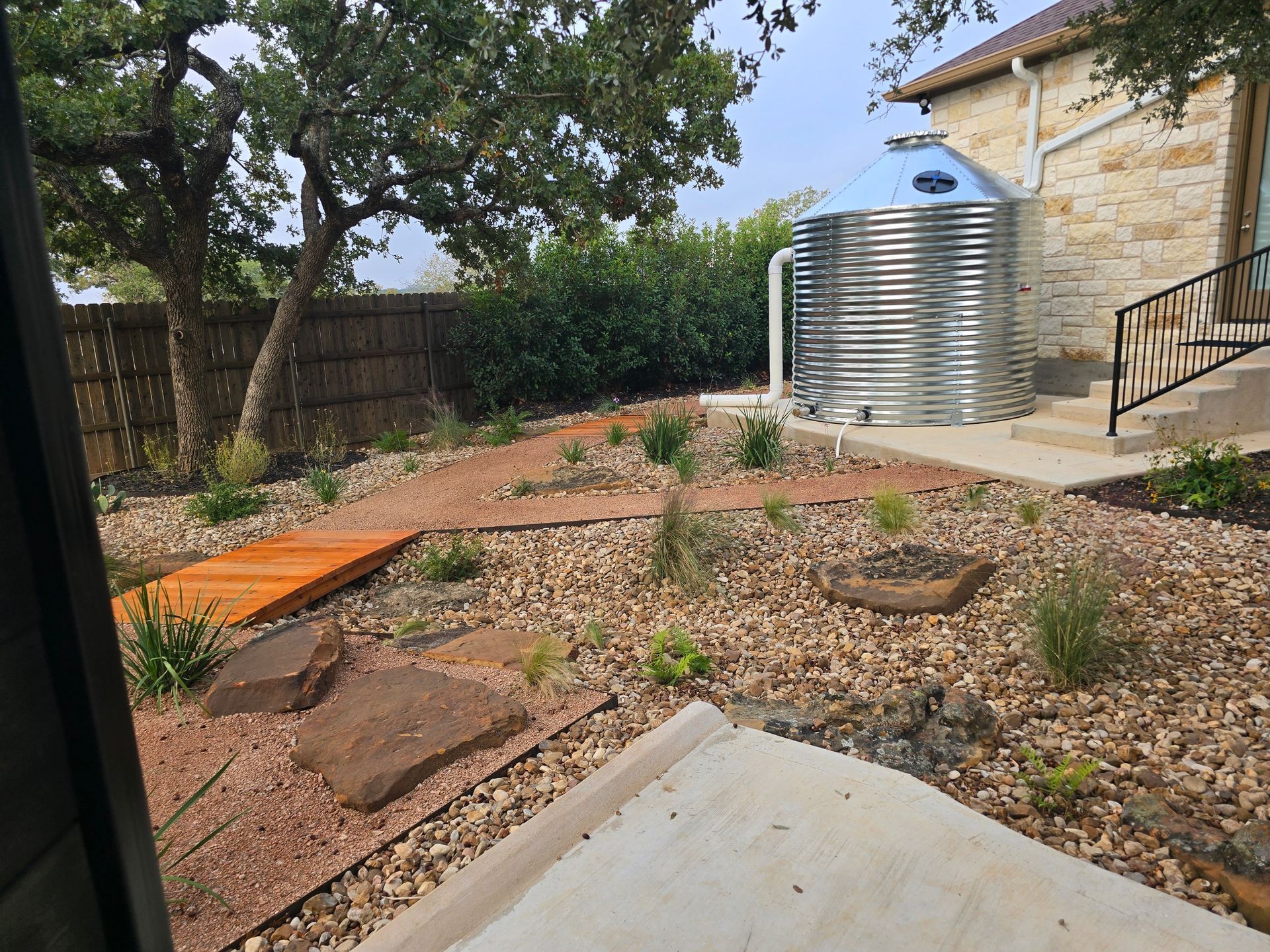
Rainwater harvesting is worth considering for properties that want more control over landscape water use. Collection systems can capture runoff from roofs and store it for later use, helping reduce dependence on other water sources when conditions are right. The right setup depends on roof area, storage capacity, intended use, budget, and local site conditions.
Rainwater collection is not a replacement for every irrigation need, especially on larger properties with high demand. Still, it can be a useful piece of a broader water-management plan. A contractor who understands both irrigation and rainwater systems can help you weigh the practical trade-offs instead of treating them as separate projects.
Make Sure Communication Is Part of the Job
Outdoor projects involve details that should not be left unclear. Before work begins, you should know the scope of the project, the expected schedule, the type of equipment being installed, and how changes will be handled if unexpected conditions are found. Rocky ground, existing utilities, damaged lines, and hidden drainage issues can affect a project. Honest communication when those issues arise is part of good workmanship.
It also helps to choose a contractor who treats the system as part of the whole property. Irrigation lines often cross areas used for landscaping, lighting, hardscaping, and drainage. Coordinating those elements can protect finished work and create a cleaner result. Joshua Buss Irrigation approaches outdoor improvements with that bigger picture in mind, combining practical water management with craftsmanship that supports the appearance and use of the property.
After installation or repair, ask for a walkthrough. You should understand where the controller is, what each zone serves, how to shut off the system in an emergency, and what signs may indicate a problem. A few minutes of instruction can prevent a small issue from becoming a major water loss.
Protect Your Investment With Ongoing Care
No irrigation system is completely maintenance-free. Heads can be damaged by mowers, vehicles, pets, or shifting soil. Filters can clog. Drip lines can be disturbed during planting. Freezing weather can create problems if components are not properly protected, while summer heat can expose coverage gaps quickly.
Regular inspections are one of the simplest ways to keep a system working as intended. Walk the property while each zone is running from time to time. Look for misting, runoff, low pressure, tilted heads, wet spots between watering cycles, and plants that look stressed despite regular irrigation. Small corrections are usually faster and less expensive than waiting for visible damage.
The right contractor should leave you with more than new equipment. You should have a system that makes sense for your land, respects your water use, and gives your landscape a fair chance in demanding weather. When you are ready to improve an existing system or plan a new one, start with a clear conversation about your property and the results you want to see.